 Admin
AdminTable of Contents
ToggleComplete Guide to Immigrating to Canada in 2026
1. Introduction
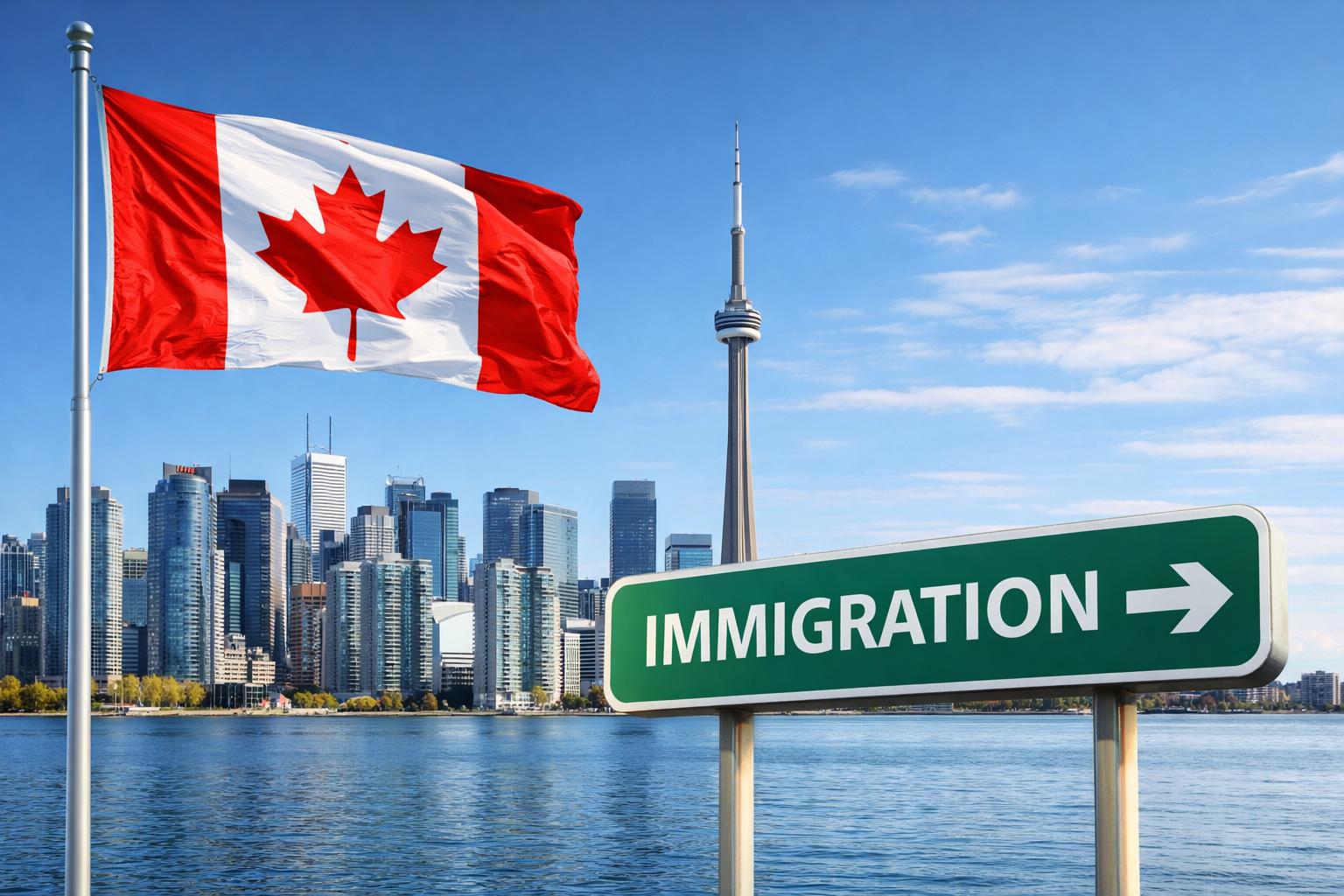
Canada continues to rank among the most attractive destinations for immigrants worldwide. Known for its strong economy, political stability, high quality of life, and welcoming multicultural society, the country has built a reputation as a place where newcomers can establish successful careers and secure a better future for their families. Complete Guide to Immigrating to Canada in 2026, As Canada continues to address labor shortages and support economic growth, immigration remains a key part of the country’s long-term strategy.
In 2026, thousands of skilled workers, students, entrepreneurs, and family-sponsored applicants are expected to pursue Canadian immigration opportunities through various pathways. The Canadian government has consistently increased immigration targets in recent years, creating opportunities for qualified applicants from different educational, professional, and cultural backgrounds. Whether you are seeking permanent residency, career advancement, world-class education, or a safer environment to raise a family, Canada offers multiple pathways to help you achieve your goals.
This complete guide to immigrating to Canada in 2026 explains everything prospective immigrants need to know before beginning their journey. From understanding immigration programs and eligibility requirements to preparing documents and navigating application procedures, this guide provides practical information that can help you make informed decisions and avoid common mistakes throughout the immigration process. Cleaner Jobs in the UK With Visa Sponsorship.
2. Why Canada is a Top Destination for Immigrants
Canada’s appeal extends far beyond its beautiful landscapes and modern cities. Millions of people around the world view Canada as a place where hard work, education, and determination can lead to long-term success and stability.
Strong and Stable Economy
Canada is one of the world’s largest economies, supported by industries such as healthcare, technology, construction, finance, engineering, manufacturing, transportation, and natural resources. The country consistently seeks qualified workers to fill labor shortages across various sectors.
Many employers actively recruit international talent, making Canada an attractive destination for skilled professionals who want access to competitive salaries and career growth opportunities.
High Quality of Life
Canada consistently performs well in global quality-of-life rankings. Residents benefit from clean cities, reliable public infrastructure, modern transportation systems, and access to essential public services.
Many immigrants are attracted to Canada because it offers a balance between professional opportunities and personal well-being.

Universal Healthcare System
One of Canada’s most valued benefits is its publicly funded healthcare system. Permanent residents and citizens generally have access to healthcare services without paying significant out-of-pocket costs for medically necessary treatments.
This can significantly reduce the financial burden associated with healthcare expenses compared to many other countries.
Excellent Education System
Canada is home to internationally recognized colleges, universities, and research institutions. Families often choose Canada because of the country’s strong education system, which provides high-quality learning opportunities from primary school through higher education.
Children of permanent residents can access public education, while international students can benefit from globally respected academic programs.
Multicultural and Inclusive Society
Canada embraces cultural diversity and actively promotes inclusion. People from different ethnicities, religions, languages, and backgrounds contribute to the country’s vibrant communities.
New immigrants often find support networks and community organizations that help them integrate into Canadian society more easily.
Clear Pathways to Permanent Residency
Unlike many countries that offer only temporary work opportunities, Canada provides multiple routes to permanent residency. Qualified immigrants can often transition from temporary status to permanent residency through established programs.
Permanent residents enjoy many of the same rights and benefits as Canadian citizens, including access to healthcare, education, and social programs.
Safe and Politically Stable Environment
Canada is widely recognized for its low crime rates, strong legal institutions, and political stability. Many immigrants view the country as a safe environment where they can build a secure future for themselves and their families.
Growing Demand for Skilled Workers
As Canada’s population ages, employers increasingly require workers in healthcare, construction, transportation, information technology, engineering, agriculture, and other industries.
This demand creates significant opportunities for qualified immigrants who possess the skills and experience needed by Canadian employers.
3. Overview of Canadian Immigration Pathways in 2026
Canada offers several immigration pathways designed to attract skilled workers, entrepreneurs, students, and family members. Complete Guide to Immigrating to Canada, Understanding these programs is essential when determining the most suitable route for your circumstances.
Express Entry System
Express Entry remains Canada’s flagship immigration system for skilled workers.
It manages applications under several federal programs, including:
- Federal Skilled Worker Program
- Federal Skilled Trades Program
- Canadian Experience Class
Applicants create online profiles and receive scores based on factors such as:
- Age
- Education
- Work experience
- Language ability
- Adaptability
- Job offers
Candidates with competitive scores may receive Invitations to Apply (ITAs) for permanent residency.
Express Entry is often considered one of the fastest immigration pathways available.
Provincial Nominee Program (PNP)
Each Canadian province and territory operates immigration streams tailored to local labor market needs.
Through the Provincial Nominee Program, provinces can nominate individuals whose skills align with regional economic priorities.
Popular provinces participating in PNP programs include:
- Ontario
- British Columbia
- Alberta
- Saskatchewan
- Manitoba
- Nova Scotia
- New Brunswick
A provincial nomination can significantly improve an applicant’s chances of receiving permanent residency.
Family Sponsorship
Canadian citizens and permanent residents may sponsor eligible family members to immigrate to Canada.
Eligible relatives may include:
- Spouses
- Common-law partners
- Dependent children
- Parents
- Grandparents
Family sponsorship helps reunite families while providing newcomers with a strong support system upon arrival.
Atlantic Immigration Program
The Atlantic Immigration Program is designed to address labor shortages in Canada’s Atlantic provinces:
- Nova Scotia
- New Brunswick
- Prince Edward Island
- Newfoundland and Labrador
The program allows designated employers to hire foreign workers and international graduates for positions that cannot easily be filled locally.
Rural and Community-Based Immigration Programs
Canada continues to support immigration initiatives aimed at smaller communities experiencing population decline or labor shortages.
These programs encourage newcomers to settle outside major metropolitan areas where opportunities may be plentiful and living costs lower.
Benefits often include:
- Reduced competition
- Strong community support
- Lower housing costs
- Faster integration opportunities
Caregiver Immigration Programs
Canada offers immigration pathways for qualified caregivers who provide essential support to children, seniors, and individuals with medical needs.
Applicants with relevant caregiving experience may qualify for programs that lead to permanent residency.
Start-Up Visa Program
Entrepreneurs with innovative business ideas may qualify through Canada’s Start-Up Visa Program.
This pathway is intended for individuals who can:
- Launch innovative businesses
- Create employment opportunities
- Contribute to Canada’s economy
Applicants generally require support from approved Canadian investor organizations or business incubators.
Quebec Immigration Programs
The province of Quebec manages many of its immigration programs separately from the federal system.
Quebec selects immigrants based on its own economic and demographic priorities.
Applicants interested in settling in Quebec may need to meet specific provincial requirements, including language expectations and selection criteria.
Study-to-Permanent Residency Pathways
Many international students use education as a pathway to Canadian permanent residency.
The typical process involves:
- Studying at an eligible Canadian institution.
- Obtaining a post-graduation work permit.
- Gaining Canadian work experience.
- Applying for permanent residency through eligible immigration programs.
This route remains particularly attractive because Canadian education and work experience can strengthen immigration applications.
4. Eligibility Requirements for Immigrating to Canada
Eligibility requirements vary depending on the immigration pathway selected. However, several core factors are commonly assessed across most Canadian immigration programs.
Age Requirements
Age plays an important role in many immigration systems, particularly Express Entry.
Applicants within prime working-age ranges often receive higher scores because they are expected to contribute to the labor force for longer periods.
However, individuals outside preferred age brackets may still qualify through other pathways.
Educational Qualifications
Education is a major factor in Canadian immigration assessments.
Higher levels of education generally improve competitiveness.
Common qualifications include:
- High school diplomas
- Trade certifications
- College diplomas
- Bachelor’s degrees
- Master’s degrees
- Doctoral degrees
Foreign educational credentials often require assessment through approved organizations to determine Canadian equivalency.
Work Experience
Many immigration programs prioritize applicants with relevant work experience.
Factors considered may include:
- Occupation
- Years of experience
- Skill level
- Industry demand
Both domestic and international work experience can contribute to eligibility depending on the immigration stream.
Language Proficiency
Applicants are typically required to demonstrate proficiency in English, French, or both.
Language ability is commonly assessed through approved testing systems.
Strong language scores can significantly improve immigration outcomes because effective communication is critical for employment and integration.
Proof of Funds
Many immigration programs require applicants to demonstrate that they have sufficient financial resources to support themselves and their families after arriving in Canada.
Settlement funds help ensure newcomers can cover:
- Housing expenses
- Food costs
- Transportation
- Initial living expenses
Required amounts vary according to family size and immigration program.
Medical Examination Requirements
Applicants may need to undergo medical examinations performed by authorized healthcare professionals.
The purpose is to determine whether applicants meet Canada’s health admissibility standards.
Medical assessments typically evaluate conditions that could affect public health or place excessive demands on healthcare services.
Police Clearance Certificates
Most immigration pathways require criminal background checks.
Police certificates may be requested from countries where applicants have lived for extended periods.
These checks help Canadian authorities assess admissibility and maintain public safety.
Admissibility Requirements
Applicants must meet various admissibility standards.
Issues that may affect admissibility include:
- Serious criminal convictions
- Security concerns
- Immigration violations
- Misrepresentation
- Certain medical conditions
Providing complete and accurate information throughout the application process is essential. Teaching Jobs in Singapore with Visa Sponsorship
5. Essential Documents Needed for Canada Immigration Applications
Preparing accurate documentation is one of the most important steps in the immigration process. Missing or incorrect documents can result in delays or refusals.
Valid Passport
A passport serves as the primary identification document throughout the immigration process.
Applicants should ensure their passports remain valid for a sufficient period before submitting applications.

Educational Credential Assessment (ECA)
Many immigration programs require foreign educational qualifications to be assessed.
An Educational Credential Assessment verifies how international credentials compare to Canadian educational standards.
This assessment can play a significant role in immigration scoring systems.
Language Test Results
Approved language test results are often mandatory.
These results demonstrate proficiency in English or French and may directly impact eligibility and ranking scores.
Applicants should plan testing schedules carefully because scores remain valid for a limited period.
Employment Documentation
Employment records help verify work experience claims.
Common supporting documents include:
- Employment letters
- Pay slips
- Contracts
- Tax records
- Reference letters
Clear documentation strengthens application credibility.
Proof of Settlement Funds
Applicants may need to provide evidence showing sufficient financial resources.
Acceptable documents often include:
- Bank statements
- Investment records
- Financial institution letters
Funds must generally be readily available and transferable.
Civil Status Documents
Applicants may need to submit:
- Birth certificates
- Marriage certificates
- Divorce records
- Adoption documents
These records establish family relationships and personal identity.
Medical Examination Reports
Medical examination confirmations may be required before final application approval.
Applicants should only use authorized medical practitioners approved by Canadian immigration authorities.
Police Clearance Certificates
Background checks help verify applicants’ criminal histories.
Obtaining these certificates early can help prevent delays during application processing.
Document Preparation Tips
To improve application success:
- Ensure all documents are accurate.
- Keep copies of everything submitted.
- Use certified translations where necessary.
- Verify document validity dates.
- Organize files systematically before submission.
6. Step-by-Step Process to Immigrate to Canada in 2026
Successfully immigrating to Canada requires careful planning and attention to detail. Following a structured approach can make the process more manageable and reduce the likelihood of costly mistakes.
Step 1: Identify the Best Immigration Pathway
Begin by evaluating available immigration programs.
Consider factors such as:
- Education
- Occupation
- Language ability
- Family connections
- Financial resources
- Career goals
Selecting the appropriate pathway can significantly improve your chances of success.
Step 2: Co34nfirm Eligibility
Review program-specific eligibility criteria carefully.
Assess whether you meet requirements related to:
- Work experience
- Education
- Language proficiency
- Financial capacity
Address any weaknesses before submitting an application.
Step 3: Gather Supporting Documents
Start collecting required documentation as early as possible.
Some documents, particularly police certificates and credential assessments, may take weeks or months to obtain.
Step 4: Complete Language Testing
Book and complete approved language examinations.
Strong scores can substantially improve competitiveness under many immigration programs.
Step 5: Obtain Educational Assessments
If required, have your educational credentials evaluated through approved organizations.
Ensure reports remain valid throughout the application process.
Step 6: Create Your Immigration Profile
For programs such as Express Entry, applicants must create an online profile and provide accurate information regarding qualifications and experience.
Step 7: Receive an Invitation to Apply
Qualified candidates may receive invitations based on their rankings or provincial nominations.
Receiving an invitation allows applicants to proceed to the permanent residency application stage.
Step 8: Submit a Complete Application
Carefully review all information before submission.
Ensure:
- Documents are complete
- Forms are accurate
- Fees are paid
- Supporting evidence is included
Even minor errors can create delays.
Step 9: Complete Biometrics and Medical Requirements
Applicants may be required to provide fingerprints, photographs, and medical examination results during processing.
7. Cost of Immigrating to Canada in 2026
One of the most important aspects of immigration planning is understanding the financial commitment involved. While Canada offers numerous immigration opportunities, applicants should budget carefully to avoid delays or financial stress during the process.
The total cost of immigrating to Canada can vary significantly depending on factors such as family size, immigration pathway, country of residence, and professional qualifications.
Government Application Fees
Most immigration programs require applicants to pay processing fees.
Common fees may include:
- Permanent residence application fees
- Right of Permanent Residence Fee (RPRF)
- Family sponsorship processing fees
- Provincial Nominee Program fees
- Work permit or study permit fees (where applicable)
These fees can change periodically, so applicants should always verify current rates through official government sources before submitting an application.
Language Testing Costs
Approved language tests are mandatory for many immigration pathways.
Applicants may need to budget for:
- English language examinations
- French language examinations
- Test retakes if scores do not meet program requirements
Strong language scores often improve immigration outcomes, making this an important investment.
Educational Credential Assessment Fees
Foreign educational qualifications typically require evaluation to determine Canadian equivalency.
Assessment costs vary depending on:
- Educational level
- Number of credentials
- Processing speed selected
Applicants should also account for document translation and courier expenses.
Medical Examination Expenses
Immigration medical examinations must be completed by approved physicians.
Costs generally depend on:
- Country of residence
- Age of applicant
- Additional tests required
These expenses are normally paid directly by the applicant.
Biometrics Fees
Many applicants are required to provide biometric information, including fingerprints and photographs.
Biometric fees are usually paid during the application process and may apply to individual applicants or entire families.
Proof of Settlement Funds
Several immigration programs require proof that applicants possess sufficient funds to support themselves upon arrival.
The required amount depends on family size and is updated periodically by Canadian authorities.
Settlement funds help cover:
- Initial accommodation
- Food and daily living expenses
- Transportation
- Emergency costs
These funds generally must remain accessible throughout the application process.
Relocation and Travel Costs
Prospective immigrants should also budget for:
- Airfare
- Temporary accommodation
- Shipping personal belongings
- Rental deposits
- Transportation within Canada
- Initial household setup costs
Families often face higher relocation expenses than single applicants.
Factors That Affect Immigration Costs
Several factors can increase or decrease overall expenses:
- Family size
- Immigration program selected
- Number of required documents
- Translation services
- Travel distance
- Currency exchange rates
- Professional licensing requirements
Creating a detailed financial plan before beginning the process can reduce unexpected costs later. Agricultural Jobs in Portugal with Visa Sponsorship
8. Best Provinces and Cities for New Immigrants
Canada offers diverse living environments ranging from large metropolitan centers to smaller communities. The ideal destination depends on career goals, lifestyle preferences, housing affordability, and family needs.
Ontario
Ontario remains the most popular province for newcomers.
Major cities include:
- Toronto
- Ottawa
- Mississauga
- Hamilton
Advantages include:
- Large job market
- Strong technology sector
- Financial services opportunities
- Diverse communities
- Extensive public services
Potential drawback:
- Higher housing costs in major cities.
British Columbia
British Columbia attracts immigrants seeking a combination of economic opportunities and natural beauty.

Popular destinations include:
- Vancouver
- Victoria
- Surrey
- Kelowna
Benefits include:
- Strong technology industry
- Growing healthcare sector
- International business opportunities
- Mild climate compared to many Canadian regions
Housing costs, particularly in Vancouver, remain among the highest in Canada.
Alberta
Alberta continues to attract skilled workers due to its strong economy and relatively affordable living costs.
Major cities include:
- Calgary
- Edmonton
Advantages include:
- Competitive wages
- Growing technology sector
- Energy industry opportunities
- Lower provincial taxes
- Affordable housing compared to some major cities
Saskatchewan
Saskatchewan is increasingly popular among immigrants seeking affordability and employment opportunities.
Key industries include:
- Agriculture
- Mining
- Healthcare
- Manufacturing
Advantages:
- Lower cost of living
- Provincial immigration opportunities
- Strong labor demand
Manitoba
Manitoba offers an attractive balance between affordability and employment opportunities.
Winnipeg, the provincial capital, serves as an important economic hub.
Benefits include:
- Lower housing costs
- Community support programs
- Growing labor market
- Family-friendly environment
Nova Scotia
Nova Scotia has become increasingly attractive through Atlantic immigration initiatives.
Advantages include:
- Coastal lifestyle
- Healthcare opportunities
- Growing technology sector
- Friendly communities
Halifax remains a popular destination for newcomers.
New Brunswick
New Brunswick actively welcomes immigrants through various provincial initiatives.
Benefits include:
- Affordable housing
- Lower living costs
- Growing demand for skilled workers
- Supportive newcomer services
Choosing the Right Province
When selecting a destination, consider:
- Employment opportunities
- Housing affordability
- Climate preferences
- Community size
- Educational opportunities
- Family support services
- Provincial immigration pathways
Researching multiple locations before arrival can help ensure a smoother transition.
9. High-Demand Occupations in Canada for Immigrants in 2026
Labor shortages continue to create opportunities across numerous sectors. While specific needs vary by province, several industries consistently seek qualified workers.
Healthcare
Healthcare remains one of Canada’s most in-demand sectors.
Common occupations include:
- Registered nurses
- Licensed practical nurses
- Physicians
- Medical laboratory technologists
- Personal support workers
- Physiotherapists
Population growth and an aging population continue to drive demand.
Skilled Trades
Tradespeople remain essential to Canada’s infrastructure and construction projects.
In-demand occupations include:
- Electricians
- Welders
- Carpenters
- Plumbers
- Heavy equipment operators
- Industrial mechanics
Many provinces offer immigration streams targeting skilled trades workers.
Information Technology
Canada’s technology sector continues expanding rapidly.
Popular roles include:
- Software developers
- Cybersecurity specialists
- Cloud engineers
- Data analysts
- Artificial intelligence professionals
- Systems administrators
Major technology hubs include Toronto, Vancouver, Calgary, Ottawa, and Montreal.
Engineering
Engineers remain highly sought after across multiple industries.
High-demand specializations include:
- Civil engineering
- Mechanical engineering
- Electrical engineering
- Industrial engineering
- Environmental engineering
Transportation and Logistics
Supply chain expansion continues to create opportunities for:
- Truck drivers
- Logistics coordinators
- Transportation managers
- Warehouse supervisors
Several provinces actively recruit transportation professionals.
Construction
Ongoing residential and infrastructure projects support demand for:
- Construction managers
- Project coordinators
- Skilled laborers
- Building inspectors
Agriculture
Agriculture remains a critical sector in many provinces.
Common opportunities include:
- Farm supervisors
- Agricultural technicians
- Equipment operators
- Food processing workers
Hospitality and Tourism
As tourism continues to recover and expand, demand remains strong for:
- Hotel managers
- Chefs
- Restaurant supervisors
- Hospitality workers
Education
Educational institutions regularly recruit:
- Teachers
- Early childhood educators
- Educational assistants
- Specialized instructors
Demand often varies by province and subject area.
10. Common Immigration Mistakes and How to Avoid Them
Immigration applications can be complex. Avoiding common mistakes can save time, money, and frustration.
Submitting Incomplete Documentation
One of the most frequent reasons for delays is missing paperwork.
How to avoid it:
- Create a document checklist.
- Review requirements multiple times.
- Submit all requested supporting evidence.
Providing Incorrect Information
Errors or inconsistencies can lead to refusals or allegations of misrepresentation.
How to avoid it:
- Verify all dates and personal information.
- Ensure employment and educational details are accurate.
- Keep copies of submitted materials.
Missing Important Deadlines
Immigration programs often operate under strict timelines.
How to avoid it:
- Track expiration dates.
- Use reminders and calendars.
- Submit documents early whenever possible.
Choosing the Wrong Immigration Program
Not every pathway suits every applicant.
How to avoid it:
- Carefully assess eligibility.
- Compare multiple pathways.
- Seek professional advice when necessary.
Weak Language Test Results
Language scores significantly influence eligibility and rankings.
How to avoid it:
- Prepare thoroughly before testing.
- Consider training courses.
- Retake exams if necessary.
Proof of Funds Issues
Insufficient or improperly documented funds can lead to application problems.
How to avoid it:
- Maintain required balances.
- Use accepted financial documentation.
- Monitor updated settlement fund requirements.
Failure to Research Provincial Opportunities
Many applicants focus only on major cities.
How to avoid it:
- Explore provincial programs.
- Consider smaller communities.
- Evaluate regional labor shortages. Food Packing Jobs in Sweden with Visa Sponsorship
11. Official Canadian Immigration Programs and Application Resources
Applicants should always verify current information directly through official government resources before making decisions.
Express Entry
Purpose: Permanent residency for skilled workers.
Best for:
- Skilled professionals
- Trades workers
- Individuals with strong language skills
Official Website:
https://www.canada.ca/en/immigration
Provincial Nominee Program (PNP)
Purpose:
Address provincial labor shortages and economic needs.
Best for:
Applicants whose occupations align with provincial priorities.
When to Apply:
Program openings vary by province.
Official Website:
https://www.canada.ca/en/immigration-refugees-citizenship
Family Sponsorship Program
Purpose:
Family reunification.
Best for:
Spouses, partners, dependent children, parents, and grandparents.
When to Apply:
Dependent on sponsorship eligibility and program availability.
Official Website:
https://www.canada.ca/en/immigration-refugees
Atlantic Immigration Program
Purpose:
Support economic growth in Atlantic Canada.
Best for:
Workers with job offers from designated employers.
Official Website:
Start-Up Visa Program
Purpose:
Support innovative entrepreneurs.
Best for:
Business founders with scalable ideas.
Official Website:
Quebec Immigration Programs
Purpose:
Meet Quebec’s unique economic and demographic needs.
Best for:
Applicants planning to live and work in Quebec.
Official Website:
Always verify eligibility criteria, quotas, and processing requirements before applying, as immigration policies can change.
12. Frequently Asked Questions About Immigrating to Canada in 2026
What is the easiest way to immigrate to Canada?
There is no single easiest pathway. The best option depends on your qualifications, work experience, language ability, and personal circumstances. Express Entry and Provincial Nominee Programs are among the most popular routes.
Can I immigrate to Canada without a job offer?
Yes. Several immigration programs, including certain Express Entry streams, do not require a job offer.
How much money do I need to move to Canada?
The amount varies based on family size, destination, and immigration pathway. Applicants should budget for settlement funds, government fees, travel costs, and initial living expenses.
How long does the immigration process take?
Processing times vary depending on the program, application volume, and completeness of documentation.
Can international students become permanent residents?
Yes. Many students transition from study permits to work permits and eventually permanent residency through eligible programs.
Which province is best for immigrants?
There is no universal answer. Ontario, Alberta, British Columbia, Saskatchewan, Manitoba, Nova Scotia, and New Brunswick all offer unique advantages.
Is Express Entry still available in 2026?
Yes. Express Entry remains one of Canada’s primary pathways for skilled immigrants.
Can my family immigrate with me?
Many immigration programs allow applicants to include spouses, partners, and dependent children.
13. Conclusion: Your Action Plan for Successfully Immigrating to Canada in 2026
Canada continues to offer some of the world’s most accessible and structured immigration opportunities for skilled workers, students, entrepreneurs, and families. With strong economic growth, ongoing labor shortages, high living standards, and clear pathways to permanent residency, the country remains a top destination for people seeking long-term opportunities abroad.
Successfully immigrating to Canada in 2026 requires careful preparation. Understanding available immigration pathways, verifying eligibility requirements, preparing accurate documentation, improving language scores, and maintaining sufficient settlement funds can significantly strengthen your application. Taking the time to research provinces, occupations, and community resources can also help ensure a smoother transition after arrival.
Your action plan should begin with assessing your qualifications and identifying the immigration program that best aligns with your goals. Gather essential documents early, stay informed about program updates, and rely on official government resources for the most current information. With proper planning, realistic expectations, and a commitment to following the correct procedures, your Canadian immigration journey can become a successful and rewarding step toward building a new future.


 Admin
Admin