 Admin
AdminTable of Contents
ToggleTop Interview Questions Asked by U.S. employers and How to Answer Them
1. Introduction
Landing a job in the United States often depends on more than just having the right qualifications. Top Interview questions asked by U.S. employers, While a strong resume can help you secure an interview, your ability to answer questions confidently and professionally during the interview process is what ultimately influences hiring decisions. Many candidates lose opportunities not because they lack skills, but because they struggle to communicate their value effectively when speaking with recruiters and hiring managers.
The good news is that most U.S. employers ask a relatively predictable set of interview questions. These questions are designed to evaluate your experience, communication skills, problem-solving abilities, work ethic, and cultural fit within the organization. Understanding why employers ask these questions and learning how to structure strong responses can significantly improve your chances of standing out from other applicants. Whether you are a recent graduate, an experienced professional, or an international candidate seeking employment in the United States, proper interview preparation can make a substantial difference.
This guide explores the Top Interview questions asked by U.S. employers and How to Answer Them, breaking down the purpose behind each question, what interviewers are really looking for, and practical strategies for crafting compelling responses. By the end of this article, you will have a clearer understanding of how to approach interviews with confidence, avoid common mistakes, and increase your chances of receiving a job offer. Unskilled Jobs in Switzerland with Visa Sponsorship
2. Why U.S. employers ask Specific Interview questions
Interview questions are not random. Every question asked during an interview serves a purpose and helps employers gather information that cannot be fully captured through a resume or job application.
When employers interview candidates, they are trying to answer several important questions:
- Can this person perform the job successfully?
- Does this candidate possess the required skills and experience?
- How well will they fit into our team and company culture?
- Can they handle challenges and workplace pressures?
- Are they motivated and committed to long-term success?
Understanding the motivation behind interview questions helps candidates provide more relevant and impactful answers.
Employers Want Evidence, Not Assumptions
Hiring managers prefer examples and evidence rather than broad statements. For example, saying, “I’m a great team player” is less convincing than describing a situation where you collaborated with colleagues to achieve a measurable result.
This is why many interview questions focus on past experiences. Employers often believe that previous behavior is one of the strongest indicators of future performance.
Behavioral Interviewing Has Become Common
Many U.S. companies use behavioral interview techniques. Behavioral questions usually begin with phrases such as:

- Tell me about a time when…
- Describe a situation where…
- Give an example of…
These questions encourage candidates to share real experiences that demonstrate relevant skills and competencies.
Employers Assess Soft Skills
Technical abilities matter, but soft skills are often equally important.
Interview questions frequently evaluate:
- Communication skills
- Leadership abilities
- Problem-solving capabilities
- Adaptability
- Emotional intelligence
- Conflict resolution
- Teamwork
Employers understand that employees who possess strong interpersonal skills often contribute more effectively to workplace success.
Cultural Fit Matters
Organizations invest significant time and resources into hiring. As a result, they want employees who align with their values, work style, and company culture.
Questions about career goals, workplace preferences, and motivations help employers determine whether a candidate is likely to thrive within the organization.
Interview Questions Help Reduce Hiring Risks
Hiring mistakes can be expensive. Poor hiring decisions can result in lost productivity, increased training costs, and employee turnover.
Through targeted interview questions, employers attempt to identify potential concerns before making an offer. This explains why some questions may feel repetitive or challenging.
For candidates, recognizing this perspective can help transform interviews from intimidating conversations into opportunities to demonstrate value. Construction Jobs in New Zealand for Foreigners
3. Top Interview questions asked by U.S. employers and How to Answer Them
Tell Me About Yourself
Why Employers Ask This Question
This is often the first question asked during an interview. Employers use it to evaluate communication skills, confidence, and how well candidates summarize their professional background.
What Interviewers Want to Hear
Recruiters are not looking for your entire life story.
They want a concise overview covering:
- Your current role or educational background
- Relevant experience
- Key achievements
- Why you are interested in the opportunity
Strong Sample Answer
“I have five years of experience in customer service and operations management. In my current position, I help oversee daily customer support activities and have contributed to improving customer satisfaction scores by 20% over the past year. I enjoy solving problems, working with diverse teams, and continuously improving processes. I’m excited about this opportunity because it aligns with my experience and offers room for professional growth.”
Expert Tip
Use the formula:
Present → Past → Future
Discuss where you are now, relevant past experiences, and why this role interests you.
Why Do You Want to Work Here?
Why Employers Ask This Question
Companies want to know whether you have researched their organization and whether you genuinely want the position.
What Interviewers Want to Hear
Employers appreciate candidates who:
- Understand the company’s mission
- Are familiar with its products or services
- Can explain how their skills contribute to organizational goals
Strong Sample Answer
“I’ve followed your company’s growth over the past few years and have been impressed by your commitment to innovation and customer service. I believe my experience in project coordination and process improvement would allow me to contribute meaningfully to your team while continuing to develop professionally.”
Expert Tip
Research the company’s website, recent news, values, and achievements before the interview.
Why Should We Hire You?
Why Employers Ask This Question
This question helps employers determine whether you understand your unique value proposition.
What Interviewers Want to Hear
Employers want candidates who can clearly connect their qualifications to the company’s needs.
Strong Sample Answer
“You should hire me because I bring a combination of technical expertise, strong communication skills, and proven results. In my previous role, I successfully led projects that improved operational efficiency by 15%. I believe my ability to solve problems and collaborate effectively would help me make an immediate contribution to your team.”
Expert Tip
Focus on specific achievements rather than general claims.
What Are Your Greatest Strengths?
Why Employers Ask This Question
Interviewers want to understand your core competencies and how they align with the role.
What Interviewers Want to Hear
Choose strengths that directly support the job requirements.
Strong Sample Answer
“One of my greatest strengths is problem-solving. In my previous role, I identified inefficiencies in our reporting process and developed a streamlined system that reduced preparation time by 30%. I enjoy finding practical solutions that improve performance.”
Expert Tip
Support every strength with a real example.
What Is Your Biggest Weakness?
Why Employers Ask This Question
Employers use this question to assess self-awareness, honesty, and willingness to improve.

What Interviewers Want to Hear
They are looking for:
- Genuine reflection
- Accountability
- Continuous improvement
Strong Sample Answer
“Earlier in my career, I sometimes struggled with delegating tasks because I wanted to ensure everything was completed perfectly. Over time, I learned that effective delegation helps teams perform better and allows projects to move more efficiently. I’ve actively worked on trusting team members and improving collaboration.”
Expert Tip
Avoid presenting a strength disguised as a weakness.
Tell Me About a Challenge You Faced at Work
Why Employers Ask This Question
Employers want evidence of resilience and problem-solving skills.
What Interviewers Want to Hear
They want to understand:
- The challenge
- Your actions
- The outcome
Strong Sample Answer
“Our department experienced a sudden staffing shortage during a major project. I helped redistribute responsibilities, created a revised workflow, and coordinated communication among team members. Despite the challenge, we completed the project on schedule and met all client expectations.”
Expert Tip
Use measurable outcomes whenever possible.
Describe a Time You Solved a Problem
Why Employers Ask This Question
Problem-solving skills are highly valued across industries.
What Interviewers Want to Hear
Employers want examples demonstrating:
- Analytical thinking
- Initiative
- Decision-making
Strong Sample Answer
“When I noticed recurring customer complaints regarding delayed responses, I analyzed support data and identified bottlenecks in the workflow. I proposed a new ticket-prioritization system that reduced response times by 25% and improved customer satisfaction.”
Expert Tip
Choose examples relevant to the role you are applying for.
How Do You Handle Pressure or Stress?
Why Employers Ask This Question
Many jobs involve deadlines, competing priorities, and unexpected challenges.
What Interviewers Want to Hear
Employers want confidence, organization, and professionalism.
Strong Sample Answer
“I manage pressure by prioritizing tasks, maintaining clear communication, and focusing on solutions rather than obstacles. During a recent high-volume project, I created a structured timeline and conducted regular progress reviews, which helped the team meet all deadlines successfully.”
Expert Tip
Demonstrate a proactive rather than reactive approach.
Tell Me About a Time You Worked in a Team
Why Employers Ask This Question
Collaboration is essential in most workplaces.
What Interviewers Want to Hear
Employers want evidence that you can:
- Communicate effectively
- Cooperate with colleagues
- Contribute to group success
Strong Sample Answer
“I worked on a cross-functional project involving marketing, sales, and operations teams. I helped coordinate communication and ensured deadlines were met. Through effective collaboration, the project launched successfully and exceeded performance targets during its first quarter.”
Expert Tip
Focus on both your individual contribution and the team’s success.
Where Do You See Yourself in Five Years?
Why Employers Ask This Question
Employers want to understand your career goals and commitment.
What Interviewers Want to Hear
They prefer candidates whose ambitions align with organizational opportunities.
Strong Sample Answer
“In five years, I hope to have expanded my expertise, taken on greater responsibilities, and contributed meaningfully to organizational goals. I’m particularly interested in growing into leadership opportunities while continuing to develop professionally.”
Expert Tip
Show ambition without suggesting that the position is merely a temporary stepping stone. Teaching Jobs in Luxembourg with Visa Sponsorship
4. Proven Strategies for Answering Interview Questions Successfully
Understanding the STAR Method
One of the most effective techniques for answering behavioral interview questions is the STAR method.
STAR stands for:
- Situation
- Task
- Action
- Result
This structure helps candidates provide clear, organized, and compelling responses.
For example:
- Situation: Describe the context.
- Task: Explain your responsibility.
- Action: Discuss what you did.
- Result: Highlight the outcome.
Employers appreciate STAR responses because they provide concrete evidence of skills and accomplishments.
How to Structure Strong Interview Answers
Strong answers typically include:
- A direct response.
- Relevant examples.
- Measurable outcomes.
- Connection to the role.
Avoid lengthy explanations that wander off-topic.
Instead, focus on concise, impactful responses that clearly demonstrate your value.
How to Communicate with Confidence
Confidence can significantly influence interviewer perceptions.
Practical ways to improve confidence include:
- Practicing answers aloud.
- Conducting mock interviews.
- Recording yourself and reviewing performance.
- Preparing key accomplishments in advance.
Remember that confidence comes from preparation, not perfection.
Body Language Tips During Interviews
Non-verbal communication matters.
Positive body language includes:
- Maintaining appropriate eye contact.
- Sitting upright.
- Smiling naturally.
- Offering a firm handshake when appropriate.
- Avoiding excessive fidgeting.
Employers often interpret strong body language as a sign of professionalism and self-assurance.
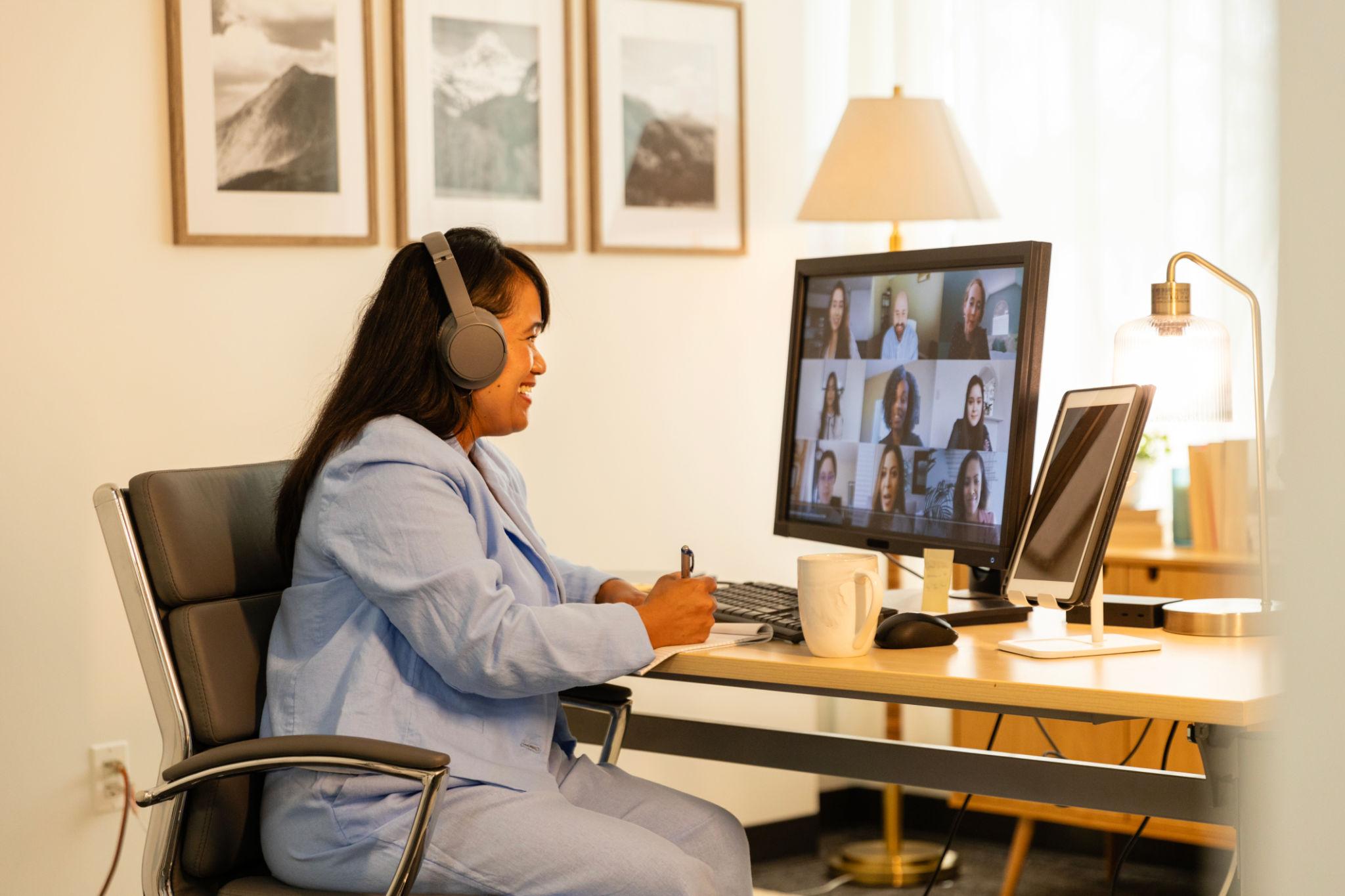
Virtual Interview Best Practices
As remote hiring becomes increasingly common, virtual interviews remain a major part of the recruitment process.
Before a virtual interview:
- Test your internet connection.
- Check audio and video quality.
- Choose a quiet environment.
- Ensure proper lighting.
- Eliminate distractions.
Professional virtual presentation can positively influence interviewer impressions. How to Write a Canadian-Style CV for Jobs in 2026
Common Communication Mistakes That Hurt Candidates
Avoid:
- Talking too much.
- Interrupting interviewers.
- Using vague examples.
- Speaking negatively about previous employers.
- Giving one-word answers.
Strong communication combines clarity, professionalism, and relevance.
How to Leave a Positive Last Impression
The final minutes of an interview can significantly influence hiring decisions.
Before leaving:
- Thank the interviewer.
- Express enthusiasm for the role.
- Ask thoughtful questions.
- Reiterate your interest.
- Follow up with a professional thank-you email.
5. Pros and Cons of Preparing for Common U.S. Interview Questions
Interview preparation is one of the most effective ways to improve performance during the hiring process. However, like any strategy, it comes with advantages and potential drawbacks if not approached correctly.
Benefits of Structured Interview Preparation
Improves Confidence
Many candidates experience anxiety before interviews. Preparation helps reduce uncertainty by allowing applicants to anticipate questions and organize their thoughts in advance.
When candidates know how they will approach common questions, they are more likely to communicate clearly and confidently.
Helps Candidates Highlight Relevant Experience
Preparation enables job seekers to identify their strongest accomplishments and align them with the employer’s needs.
Instead of struggling to recall examples during the interview, candidates can present meaningful stories that demonstrate their qualifications.
Reduces the Risk of Poor Answers
Without preparation, candidates may provide vague, incomplete, or off-topic responses.
Preparing beforehand helps ensure answers remain focused, professional, and relevant to the position.
Demonstrates Professionalism
Employers appreciate candidates who take interviews seriously.
A well-prepared applicant often appears more motivated, organized, and committed to the opportunity.
Improves Performance in Behavioral Interviews
Behavioral questions require specific examples.
Preparation allows candidates to identify suitable situations that demonstrate leadership, teamwork, problem-solving, adaptability, and other valuable workplace skills.
Potential Drawbacks of Over-Rehearsing Answers
Answers May Sound Scripted
One of the most common mistakes candidates make is memorizing responses word for word.
When answers sound rehearsed, employers may question authenticity.

Reduced Flexibility
Interviewers often ask follow-up questions.
Candidates who memorize scripts may struggle when conversations move in unexpected directions.
Loss of Natural Communication
Employers want genuine conversations rather than robotic performances.
Over-preparation can sometimes make candidates appear less personable.
Increased Stress When Questions Change
If applicants expect only specific questions, unexpected topics may create anxiety.
This is why understanding concepts is often more valuable than memorizing exact answers.
How to Stay Natural While Remaining Prepared
The goal is not to memorize responses but to prepare key talking points.
Focus on:
- Major accomplishments.
- Professional achievements.
- Career goals.
- Problem-solving examples.
- Leadership experiences.
- Teamwork situations.
Think of preparation as building a toolkit rather than writing a script.
Candidates who understand their experiences deeply can adapt their answers to almost any interview question. Warehouse Jobs in Japan for Foreigners with Visa Sponsorship
6. Common Interview Mistakes to Avoid
Even highly qualified candidates sometimes lose job opportunities because of avoidable interview mistakes.
Understanding these pitfalls can significantly improve interview performance.
Failing to Research the Company
One of the quickest ways to make a poor impression is arriving without understanding the organization.
Before every interview, research:
- Company history.
- Products or services.
- Mission and values.
- Industry position.
- Recent news and developments.
Candidates who demonstrate knowledge about the organization often appear more engaged and motivated.
Providing Vague Answers
Employers prefer evidence over opinions.
Instead of saying:
“I am a strong leader.”
Say:
“I led a team of eight employees and helped improve productivity by 18% over six months.”
Specific examples create credibility.
Speaking Negatively About Previous Employers
Even if past experiences were challenging, avoid criticizing former managers or organizations.
Negative comments can make employers question professionalism and attitude.
Instead, focus on lessons learned and future opportunities.
Ignoring Non-Verbal Communication
Body language influences first impressions.
Common mistakes include:
- Avoiding eye contact.
- Slouching.
- Excessive fidgeting.
- Looking distracted.
- Appearing disengaged.
Professional body language reinforces confidence and credibility.
Arriving Unprepared
Preparation remains one of the strongest predictors of interview success.
Candidates should be ready to discuss:
- Their resume.
- Career achievements.
- Relevant skills.
- Career goals.
- Reasons for applying.
Being unable to explain your own background can create doubts about suitability.
Not Asking Questions
When interviewers ask, “Do you have any questions for us?” the answer should almost never be “No.”
Thoughtful questions demonstrate interest and professionalism.
Examples include:
- How is success measured in this role?
- What are the team’s current priorities?
- What opportunities exist for professional growth?
- What does the onboarding process look like?
Overemphasizing Salary Too Early
Compensation is important, but focusing exclusively on salary during the early stages can create the wrong impression.
Employers want to see genuine interest in the role, responsibilities, and organizational mission.
Failing to Follow Up
Many candidates overlook the importance of post-interview communication.
A brief thank-you email can reinforce interest and professionalism.
Following up appropriately may help you remain memorable among multiple applicants. How to Move to Australia as a Skilled Worker in 2026
7. Expert Tips to Increase Your Chances of Getting Hired
Competition for quality jobs can be intense. The following strategies can help improve interview performance and hiring outcomes.
Study the Job Description Carefully
Job descriptions often contain clues about what employers value most.
Pay attention to:
- Required skills.
- Preferred qualifications.
- Key responsibilities.
- Desired experience.
Prepare examples that directly address these requirements.
Practice Mock Interviews
Mock interviews help identify weaknesses before the real interview.
Practice with:
- Friends.
- Family members.
- Career coaches.
- Professional mentors.
The more experience you gain answering questions aloud, the more comfortable you will become.
Prepare Accomplishment Stories
Most interviews require examples.
Create a list of accomplishments demonstrating:
- Leadership.
- Problem-solving.
- Teamwork.
- Adaptability.
- Communication.
- Initiative.
These stories can be adapted to many different questions.
Customize Answers for Each Employer
Avoid using identical answers for every interview.
Tailor responses to:
- Industry requirements.
- Company values.
- Position responsibilities.
- Employer expectations.
Customization shows genuine interest.
Improve Your Professional Communication
Strong communication skills remain among the most valued qualities in the U.S. job market.
Focus on:
- Clarity.
- Active listening.
- Confidence.
- Professional language.
- Concise responses.
Good communication can often differentiate similarly qualified candidates.
Prepare for Virtual Interviews
Remote hiring continues to be common across many industries.
Ensure:
- Technology works properly.
- Background is professional.
- Camera placement is appropriate.
- Internet connection is stable.
Small details can influence interviewer perceptions.
Follow Up Professionally
Within 24 hours of the interview:
- Send a thank-you email.
- Reaffirm interest in the position.
- Mention a key discussion point.
- Express appreciation for the opportunity.
This simple step can strengthen your candidacy.
Maintain a Positive Mindset
Rejection is a normal part of job searching.
Treat every interview as an opportunity to:
- Learn.
- Improve.
- Gain experience.
- Build confidence.
Candidates who remain persistent often achieve better long-term outcomes. Cleaner Jobs in the UK With Visa Sponsorship.
8. References and Additional Resources
Evidence-Based References
- U.S. Bureau of Labor Statistics Career Resources
- CareerOneStop Interview Preparation Guide
- U.S. Department of Labor Employment Resources
- National Career Development Association (NCDA)
- Society for Human Resource Management (SHRM) Career Advice
Professional Resources
9. Frequently Asked Questions (FAQ) About Top Interview questions asked by U.S. employers and How to Answer Them
What is the most common interview question asked by U.S. employers?
“Tell me about yourself” is one of the most frequently asked interview questions. Employers use it to assess communication skills and understand a candidate’s professional background.
How long should interview answers be?
Most answers should last between 30 seconds and 2 minutes, depending on the question. Responses should be concise while still providing meaningful examples and evidence.
What is the STAR interview method?
STAR stands for Situation, Task, Action, and Result. It is a structured framework used to answer behavioral interview questions with clear, evidence-based examples.
How do I answer interview questions if I have little experience?
Focus on transferable skills gained through education, volunteering, internships, projects, part-time work, or extracurricular activities. Employers often value potential and attitude alongside experience.
What should I avoid saying during an interview?
Avoid:
- Negative comments about former employers.
- Dishonest claims.
- Complaints.
- Unprofessional language.
- Responses that suggest a lack of interest in the role.
How can I reduce interview anxiety?
Preparation is one of the most effective ways to reduce nervousness. Practice answers, research the employer, conduct mock interviews, and arrive early when possible.
Should I ask questions at the end of an interview?
Yes. Asking thoughtful questions demonstrates engagement, curiosity, and professionalism. It also helps you evaluate whether the position aligns with your goals.
How soon should I follow up after an interview?
A professional thank-you email should typically be sent within 24 hours after the interview. Caregiver Jobs in Netherlands with Visa Sponsorship
10. Conclusion: Top Interview questions asked by U.S. employers and How to Answer Them
Understanding the Top Interview questions asked by U.S. employers and How to Answer Them can dramatically improve your chances of success during the hiring process. While no two interviews are exactly alike, many employers evaluate candidates using similar questions designed to assess skills, experience, problem-solving abilities, communication style, and cultural fit.
Successful candidates do more than simply answer questions—they tell compelling stories that demonstrate value. By understanding why employers ask specific questions, using frameworks like the STAR method, and preparing relevant examples from your professional experience, you can present yourself as a confident and capable candidate.
The most important step is consistent preparation. Research employers, practice your responses, develop accomplishment stories, and refine your communication skills. Every interview is an opportunity to improve and move closer to your career goals.
Action Plan for Getting Started Today
- Review the most common interview questions discussed in this guide.
- Write down 5–10 professional accomplishments.
- Create STAR-based answers for each accomplishment.
- Research companies before every interview.
- Practice with a friend or mentor.
- Prepare thoughtful questions to ask interviewers.
- Send professional follow-up emails after interviews.
The more prepared you become, the more confident and persuasive you will be when opportunities arise.

 Admin
Admin