 Admin
AdminTable of Contents
ToggleWarehouse Jobs in Japan for Foreigners with Visa Sponsorship
Introduction
Japan’s logistics and warehousing sector is growing rapidly, creating ample opportunities for foreigners seeking stable and well-paid employment. warehouse jobs in Japan for foreigners with visa sponsorship are increasingly open to international workers due to labor shortages, making it an attractive destination for those looking to gain international work experience. From Tokyo’s bustling distribution hubs to Osaka’s industrial warehouses, opportunities are expanding across multiple regions.
For foreigners, Japan offers not only competitive salaries but also structured visa sponsorship options for warehouse roles. Employers understand the value of hiring international talent and are increasingly willing to assist with work visas, making it easier for skilled or semi-skilled workers to enter the country legally.
Beyond financial benefits, working in a Japanese warehouse allows foreigners to experience Japan’s renowned efficiency, advanced logistics technologies, and workplace culture. For many, it’s also a gateway to long-term career growth in supply chain management, logistics coordination, or international trade. This article provides a detailed roadmap for foreigners seeking warehouse jobs in Japan with visa sponsorship, covering everything from job types to salary structures and application tips.
Why Work in a Warehouse Job in Japan as a Foreigner?
Working in a warehouse in Japan offers unique advantages for foreigners. Firstly, Japan’s warehousing sector is well-organized, technologically advanced, and pays competitive wages. Employees gain valuable experience in logistics, inventory management, and supply chain processes, skills that are globally recognized.
Secondly, visa sponsorship opportunities make it feasible for non-Japanese residents to live and work legally in Japan. Many companies actively recruit international workers to address labor shortages, particularly for roles that require reliability, physical stamina, and attention to detail.
Additionally, warehouse jobs in Japan often provide perks such as health insurance, housing assistance, and transport allowances. For foreigners, this makes relocation smoother and reduces the barriers to settling in a new country. These benefits, combined with Japan’s safe environment and high quality of life, make warehouse work an appealing career choice.
Warehouse Jobs in Switzerland with Visa Sponsorship
Entry-Level Warehouse Jobs in Japan with Visa Sponsorship
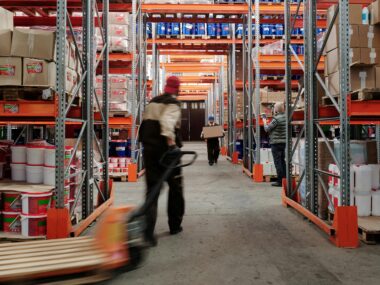
For foreigners without prior Japanese work experience, entry-level warehouse jobs are the most accessible. These positions typically involve basic responsibilities like packing, sorting, labeling, and shipping goods. Companies offering visa sponsorship for foreigners understand that training may be required and often provide structured onboarding programs.
Entry-level positions are widely available in major cities like Tokyo, Osaka, Nagoya, and Fukuoka. While Japanese language skills are an advantage, many employers accept candidates with basic communication skills and a willingness to learn. This allows motivated foreign workers to start earning immediately while gradually improving language proficiency.
Foreigners entering Japan through entry-level warehouse positions also benefit from a clear career progression path. With experience, employees can move into supervisory or inventory management roles, eventually gaining eligibility for permanent residency. This makes entry-level warehouse work a stepping stone to long-term career stability in Japan.
Types of Warehouse Jobs in Japan for Foreigners
Foreigners can find a variety of roles in Japan’s warehousing sector, each offering visa sponsorship options:
-
Picker/Packer: Responsible for selecting products according to orders and packing them for shipment. Suitable for entry-level candidates.
-
Forklift Operator: Requires certification but offers higher pay. Handles loading/unloading heavy goods.
-
Inventory Clerk: Manages stock levels, conducts audits, and ensures accuracy in inventory records.
-
Shipping and Receiving Staff: Coordinates incoming and outgoing shipments, liaises with transport companies.
-
Quality Control Assistant: Ensures products meet company standards before shipping.
These roles exist across multiple industries including e-commerce, electronics, automotive, and food logistics. Companies such as Amazon Japan, Yamato Transport, and logistics hubs around industrial zones regularly recruit foreigners for these positions with visa sponsorship.
Warehouse Jobs in Australia with Visa Sponsorship
Top Companies Offering Warehouse Jobs with Visa Sponsorship
Foreigners seeking warehouse employment in Japan can apply to reputable companies known for sponsoring visas:
-
Amazon Japan: Offers positions in distribution centers across Japan. Provides training and language support.
-
Yamato Transport: Known for domestic logistics services; hires foreigners for warehouse and delivery support roles.
-
Rakuten Logistics: Focuses on e-commerce fulfillment and international shipping. Provides visa sponsorship for qualified candidates.
-
Nippon Express: A leading global logistics company, offering opportunities in warehousing and supply chain management.
-
AEON Retail Warehouses: Offers warehouse roles supporting large retail operations with relocation assistance for foreigners.
Benefits of Warehouse Jobs in Japan for Foreigners
Working in a Japanese warehouse comes with numerous advantages:
-
Visa Sponsorship: Companies actively assist with work visas for foreigners. so no panic about the visa cost and sometimes the living expenses
-
Competitive Pay: Salaries often exceed those in other Asian countries for similar roles.
-
Career Growth: Clear progression paths from entry-level to supervisory or management positions.
-
Workplace Training: On-the-job training in modern logistics systems. Intense training to help employers get used to the equipment and how to manage the warehouse effortlessly
-
Additional Perks: Health insurance, housing support, and transport allowances. This way all the living expenses, housing and most importantly healthcare for employers are covered
Challenges of Warehouse Jobs in Japan for Foreigners
Despite the benefits, there are challenges to consider:
-
Language Barrier: Limited Japanese skills can make communication difficult.
-
Physical Demands: Some roles require long hours of standing or lifting heavy objects.
-
Cultural Differences: Adapting to Japan’s work culture may take time.
-
Seasonal Workload: Peaks in e-commerce seasons can increase working hours.
-
Visa Process: Although companies provide support, the application process can be lengthy. Unskilled Jobs in Germany with Visa Sponsorship
Regions in Japan with the Highest Warehouse Salaries
Foreigners can maximize earnings by targeting specific regions:
-
Tokyo: High demand for logistics staff; salaries above average.
-
Osaka: Major industrial and e-commerce hubs; competitive wages.
-
Nagoya: Automotive and electronics distribution centers; decent pay.
-
Fukuoka: Growing warehousing sector; attractive for foreigners.
-
Chiba: Proximity to ports; higher pay for specialized logistics roles.
Salary Scale for Foreign Warehouse Workers in Japan
-
Entry-Level: ¥250,000–¥300,000 per month; tasks like packing, sorting, and labeling.
-
Mid-Level: ¥300,000–¥400,000 per month; includes forklift operators and inventory clerks.
-
Senior-Level: ¥400,000–¥500,000+ per month; supervisory or management roles overseeing warehouse operations.
Application Requirements and Documents
Foreigners must submit specific documents for warehouse jobs with visa sponsorship:
-
Valid passport
-
Updated CV/resume in English or Japanese
-
Educational certificates (high school or higher)
-
Proof of prior work experience (if applicable)
-
Health certificate or medical clearance Unskilled Jobs in the USA With Visa Sponsorship for Foreigners
-
Visa sponsorship application form (provided by employer)
Eligibility to Apply for Warehouse Jobs in Japan with Visa Sponsorship
To qualify for warehouse jobs in Japan as a foreigner, applicants must meet several criteria:
-
Minimum Age: Generally 18 years or older.
-
Education: High school diploma or equivalent is usually sufficient. Some positions may require vocational training.
-
Work Experience: Not always mandatory for entry-level roles, but helpful for mid-level positions such as forklift operators or inventory clerks.
-
Language Skills: Basic Japanese communication skills are preferred, though some employers accept English-speaking applicants.
-
Health Requirements: Must be physically fit to handle warehouse tasks such as lifting, bending, and standing for long periods.
-
Legal Status: Must be eligible for a work visa, which the employer can sponsor.
Meeting these requirements increases your chances of securing a position and receiving proper visa sponsorship.
Step-by-Step How to Apply for Warehouse Jobs in Japan with Visa Sponsorship
Here’s a clear roadmap for foreign applicants:
-
Research Companies: Identify Japanese companies offering warehouse jobs with visa sponsorship. Examples include Amazon Japan, Yamato Transport, and Nippon Express.
-
Prepare Your Resume: Create a professional CV in English and Japanese, highlighting relevant experience and skills.
-
Submit Application: Apply through company career portals, recruitment agencies, or official job boards.
-
Interview: Attend online or in-person interviews. Be prepared to discuss work experience and availability.
-
Receive Job Offer: Once selected, the employer issues an official job offer and provides visa sponsorship documentation.
-
Visa Application: Apply for a work visa at the Japanese embassy or consulate in your home country using the documents provided by your employer.
-
Relocation: After visa approval, arrange travel, accommodation, and any necessary orientation sessions with the company.
-
Start Work: Begin your warehouse role in Japan, complete any on-the-job training, and integrate into the team. Unskilled Jobs in the UK with Visa Sponsorship
Tips to Improve Your Chances
Getting a warehouse job in Japan with visa sponsorship can be challenging because many people apply for the same positions. To improve your chances, you need to show employers that you are hardworking, dependable, and ready to adapt to a new environment. Here are some practical ways to stand out from other applicants.
Learn Basic Japanese
You do not need to speak perfect Japanese to work in many warehouses, but learning basic Japanese can make a big difference. Simple greetings, numbers, directions, and workplace phrases can help you communicate better with supervisors and coworkers.
Employers also see this as a sign that you are serious about living and working in Japan. Even basic language skills show effort, respect for the culture, and willingness to learn.
Highlight Your Experience Clearly
If you have worked in a warehouse, factory, supermarket, delivery company, or any job involving physical labor, make sure you mention it clearly in your resume.
Explain the kind of work you did, such as:
- Packing and sorting items
- Loading and unloading goods
- Managing inventory
- Operating machines or warehouse equipment
- Working under pressure or meeting daily targets
Even small experiences can help if you present them properly. Employers want to know that you can handle warehouse tasks and work efficiently.
Get Useful Certifications
Having certifications can give you an advantage over other applicants. For example, forklift training or workplace safety certificates can make your application stronger.
These certifications show employers that you already have practical skills and understand safety procedures. In some cases, they can also help you qualify for higher-paying roles within the warehouse sector.
Be Flexible With Work Schedules
Warehouse jobs often require shift work, overtime, weekend duties, or night schedules. Employers usually prefer workers who are flexible and willing to adjust when needed.
If you are open to different shifts and ready to work extra hours during busy periods, mention it during your application or interview. Flexibility can make you a more attractive candidate.
Act Professionally During Interviews
First impressions matter a lot. During interviews, employers want to see that you are responsible, respectful, and motivated to work.
Try to:
- Dress neatly
- Arrive on time
- Speak confidently and politely
- Answer questions honestly
- Show enthusiasm for the job
You do not need perfect answers. Employers mainly want to see a positive attitude and willingness to work hard.
Follow Up After the Interview
After your interview, sending a short and polite follow-up email can help you stand out. It shows professionalism and reminds the employer that you are still interested in the position.
A simple thank-you message can leave a good impression and sometimes improve your chances of being remembered during the hiring process.
Apply Early
Jobs with visa sponsorship often receive many applications, so it is important to apply as early as possible. Waiting too long may reduce your chances because some employers review applications on a first-come, first-served basis.
Before applying, prepare all your important documents, including:
- Updated resume or CV
- Passport copy
- Educational certificates
- Work experience documents
- Language certificates if available
Submitting a complete and organized application can make the process smoother and improve your chances of getting noticed.
Application Deadlines
Application deadlines vary by company:
-
Rolling Recruitment: Many large logistics companies accept applications year-round.
-
Seasonal Hiring: Some warehouses, especially e-commerce centers, have peak-season recruitment (e.g., before holidays).
-
Visa Processing: Keep in mind that visa approval may take several weeks, so apply early to align with job start dates.
Common Mistakes to Avoid
Avoid these pitfalls when applying for warehouse jobs in Japan:
-
Incomplete Documents: Ensure all required forms and certifications are submitted.
-
Ignoring Language Requirements: Even basic Japanese skills improve your employability.
-
Late Applications: Apply well before deadlines to allow for visa processing.
-
Overlooking Job Details: Read the job description carefully to ensure you meet all criteria. Unskilled Jobs in Germany with Visa Sponsorship
-
Poor Communication: Respond promptly to emails and phone calls from employers.
-
Neglecting Cultural Norms: Familiarize yourself with Japanese work etiquette and professional behavior.
Websites to Find Warehouse Jobs in Japan with Visa Sponsorship
Official and trusted portals for job seekers include:
-
Japan External Trade Organization (JETRO): https://www.jetro.go.jp/en
-
GaijinPot Jobs: https://jobs.gaijinpot.com
-
Daijob.com: https://www.daijob.com
-
CareerCross: https://www.careercross.com
-
Indeed Japan: https://jp.indeed.com
These websites provide direct listings, application links, and company details, making it easier for foreigners to secure visa-sponsored employment.
FAQs About Warehouse Jobs in Japan for Foreigners
Q1: Do I need to speak Japanese to get a warehouse job?
A: Basic Japanese is preferred, but many companies accept English speakers, especially in large logistics centers.
Q2: Can I get visa sponsorship as an entry-level worker?
A: Yes. Several companies provide visa sponsorship for entry-level positions, particularly those facing labor shortages.
Q3: What is the average salary for warehouse workers in Japan?
A: Entry-level salaries typically start at ¥250,000 per month, with mid-level positions reaching ¥400,000+ per month.
Q4: Are housing and transport benefits provided?
A: Many employers offer support for accommodation, transport allowances, and sometimes meals. Unskilled Jobs in Netherlands with Visa Sponsorship
Q5: How long does visa processing take?
A: Usually between 2–6 weeks, depending on the embassy or consulate and the completeness of your documents
Conclusion: Building a Career in Warehouse Jobs in Japan for Foreigners
Warehouse jobs in Japan present a unique opportunity for foreigners seeking stable employment, competitive salaries, and career growth. With Japan’s labor shortage in the logistics sector, foreign workers are highly valued and can benefit from visa sponsorship, training, and advancement opportunities.
By understanding eligibility requirements, preparing proper documents, learning basic Japanese, and targeting reputable companies, foreign applicants can successfully navigate the application process and start a rewarding career in Japan’s warehousing industry.
Whether starting in an entry-level role or aiming for a supervisory position, warehouse jobs in Japan offer not only financial stability but also the chance to gain international experience and professional skills in a highly organized and technologically advanced environment.

 Admin
Admin