Admin
AdminFruit Picker Jobs in Canada with Visa Sponsorship 2026: Requirements, Pay and How to Apply
Introduction
Fruit picker jobs in Canada can provide seasonal employment opportunities for people interested in agricultural work, including some foreign workers who are legally eligible to work in Canada. Canadian farms and agricultural businesses regularly need workers to plant, maintain, harvest, sort and pack crops, particularly during busy growing and harvesting periods. According to Canada’s Job Bank, fruit pickers fall under the occupation of harvesting labourers (NOC 85101), and the work generally involves harvesting, sorting and packing crops on fruit, vegetable and specialty-crop farms.
For foreign applicants, however, the phrase “visa sponsorship” needs to be understood correctly. Canada does not simply give a worker a visa because they find a fruit-picking vacancy. Depending on the job and recruitment program, an employer may need to complete steps under Canada’s Temporary Foreign Worker Program, including obtaining a Labour Market Impact Assessment (LMIA), before the worker can apply for the appropriate work permit. Agricultural workers can also be hired through specific programs such as the Seasonal Agricultural Worker Program (SAWP), although SAWP is limited to citizens of participating countries.
This guide explains how fruit picker jobs work, where foreign applicants can look for legitimate opportunities, what employers may expect, and how the Canadian work-permit process connects with an agricultural job offer. It also highlights an important issue for international applicants: not every fruit picker vacancy is available to foreign workers or includes employer support for immigration. Understanding that distinction can help applicants avoid fraudulent recruiters and focus their applications on genuine opportunities. what Canadian employers look for during a job interview
Fruit Picker Jobs in Canada (Visa Sponsorship Guide)
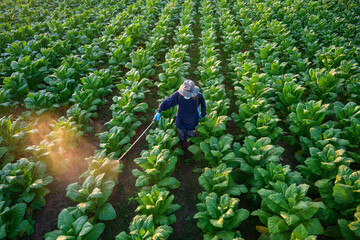
Fruit picking is seasonal farm work that involves harvesting, sorting, and packing crops such as apples, berries, and other fruits. Workers may also help with basic farm tasks like cleaning work areas and preparing produce for shipment. According to Canada’s Job Bank, harvesting labourers may assist with planting, picking, and packing crops on fruit and vegetable farms.

The job is physically demanding and often requires long hours outdoors. Workers should be prepared for standing, bending, lifting, and working in different weather conditions. No formal education is usually required, but employers expect reliability and the ability to handle manual labour.
Foreign workers may be hired through programs such as the Seasonal Agricultural Worker Program (SAWP) or the Agricultural Stream under Canada’s Temporary Foreign Worker Program. SAWP is limited to specific countries, while the Agricultural Stream may apply to workers from other regions depending on employer eligibility.
Not all fruit picker jobs offer visa sponsorship. In most cases, the employer must be approved to hire foreign workers and may need a positive Labour Market Impact Assessment (LMIA) before a work permit can be issued.
Types of Fruit Picking and Seasonal Farm Jobs Available in Canada
Canadian agricultural employers may advertise several types of seasonal harvesting and farm positions. The exact duties depend on the crop, province, employer and stage of the growing season.
Fruit Picker or Harvester
Fruit pickers harvest ripe produce by hand or with appropriate farm equipment. Workers may be expected to handle fruit carefully to prevent bruising or damage and place the harvested produce into designated containers.
Apple Picker
Apple harvesting is an important seasonal activity in several Canadian agricultural regions. Workers may pick apples according to instructions concerning ripeness, size and handling. Some positions may involve ladders or elevated platforms, so applicants should carefully review workplace-safety requirements.
Berry Picker
Berry farms may recruit seasonal workers to harvest crops such as strawberries, blueberries, raspberries and other berries. The work can require repetitive bending, reaching and careful handling because soft fruit can be easily damaged.
Vegetable Farm Worker
Some agricultural employers recruit workers for vegetable harvesting rather than fruit picking. Duties can include harvesting, cleaning, sorting and preparing vegetables for transportation or further processing.
Orchard Worker
Orchard workers can assist with several stages of crop production, including planting, pruning, thinning, maintaining trees and harvesting fruit. The responsibilities may therefore extend beyond picking alone.
Packing and Sorting Worker
After harvesting, produce may need to be sorted, graded and packed. These positions can take place on farms or in agricultural packing facilities and may involve checking produce for quality and preparing orders for shipment.
General Farm Labourer
Some employers use broader job titles such as farm labourer or agricultural worker. The duties can vary considerably and may include crop maintenance, harvesting, cleaning, loading and other general farm tasks.
Greenhouse and Crop Workers
Greenhouse workers may assist with planting, crop maintenance, harvesting and preparation of produce. Although not technically outdoor fruit picking, these positions can fall within the broader agricultural employment sector. Ireland Critical Skills Employment Permit: Complete Guide
Farm Industries Hiring Foreign Workers in Canada
Canada’s agricultural sector includes several industries that may hire eligible temporary foreign workers, particularly when employers cannot find enough Canadian workers.
- Fruit and vegetable farms: Fruit picking, harvesting, sorting, packing and general farm labour.
- Orchards: Apple, berry and other fruit harvesting and orchard maintenance.
- Greenhouses and nurseries: Planting, crop maintenance, harvesting and packing.
- Mushroom farms: Mushroom growing, harvesting, sorting and packing.
- Livestock farms: Animal care, feeding and general farm duties.
- Poultry and egg farms: Poultry care, cleaning and production support.
- Grain and crop farms: Planting, harvesting and farm machinery work.
- Flower farms: Greenhouse and field-based flower production.
For applicants specifically seeking fruit picker jobs in Canada with visa sponsorship, fruit and vegetable farms, orchards, and greenhouse operations are the most relevant sectors. However, not every farm hires foreign workers, so always verify the employer and applicable work-permit program before applying Healthcare Assistant Jobs in the USA with Visa Sponsorship 2026
How to Apply for Fruit Picker Jobs in Canada With Visa Sponsorship
Applying for fruit picker jobs in Canada as a foreign worker involves two connected but separate processes: securing a legitimate agricultural job and obtaining authorization to work in Canada. For many agricultural positions, the employer may need a positive Labour Market Impact Assessment (LMIA) before the worker can apply for an employer-specific work permit. Canada’s official guidance confirms that other agricultural workers can apply for an employer-specific work permit, which restricts them to the employer named on the permit.
Step 1: Search for Legitimate Fruit Picker Vacancies
Start by searching reputable sources such as the Government of Canada’s Job Bank and verified agricultural employer websites. Look for positions such as fruit picker, harvesting labourer, orchard worker, farm labourer, berry picker, and agricultural worker.
Do not assume that every vacancy is open to applicants outside Canada. Read the job advertisement carefully to determine whether the employer accepts foreign workers and whether information about the applicable temporary foreign-worker program is provided.
Step 2: Check the Employer and Job Details
Before applying, verify the employer’s identity and carefully review the position. Check the farm’s name, location, job duties, wage, expected employment period and application instructions.
Be especially cautious if someone contacts you through social media and promises a Canadian farm job in exchange for a large payment. A genuine job opportunity should not depend on a promise of guaranteed visa approval.
Step 3: Prepare Your Resume and Application
Create a straightforward resume highlighting experience relevant to agricultural work. Include previous farm work, harvesting, outdoor labour, warehouse work, packing, construction or other physically demanding employment when applicable.
If you have no farm experience, do not invent it. Instead, emphasize your reliability, physical-work experience, ability to follow instructions and willingness to perform seasonal agricultural duties.
Step 4: Apply Directly to the Employer
Follow the employer’s stated application method. This could involve submitting a resume through a job portal, completing an online application or contacting the employer using verified contact information.
Keep copies of your application and correspondence. If the employer responds, carefully review the position before providing additional personal documents.
Step 5: Confirm Whether the Employer Can Hire Foreign Workers
This is one of the most important steps for applicants outside Canada. A fruit-picking vacancy does not automatically come with visa sponsorship.
For agricultural positions under the Temporary Foreign Worker Program, an employer may need to obtain a positive LMIA before the foreign worker can apply for the relevant work permit. Canada’s Agricultural Stream guidance explains that employers submit LMIA applications through LMIA Online, and applications can be submitted up to six months before the expected job start date.
Step 6: Receive the Employer’s Required Documents
If the employer successfully completes the applicable process, the worker should receive the documents needed for the work-permit application.
For other agricultural workers requiring an LMIA, Canada’s official guidance states that the employer must provide the worker with a copy of the positive LMIA and the job offer letter or employment contract. These documents are used when applying for the work permit.
Step 7: Apply for the Canadian Work Permit
Once you have the necessary employment documentation, follow the official IRCC instructions for applying for a work permit from outside Canada.

The application process involves creating or signing into an IRCC secure account, completing the required forms, uploading the personalized supporting documents and paying applicable fees. Depending on your circumstances, you may also need to provide biometrics.
For agricultural workers, the relevant occupation may appear under NOC 85101 — Harvesting labourers, although the correct NOC should always be based on the actual job and the information provided by the employer.
Step 8: Wait for the Immigration Decision
Receiving a job offer or positive LMIA does not mean that the work permit is automatically approved. IRCC must assess the worker’s application and determine whether the applicant meets the applicable requirements.
Do not make irreversible travel arrangements based solely on a recruiter’s promise. Wait for the appropriate authorization and follow the instructions provided by Canadian immigration authorities.
Step 9: Prepare for Employment in Canada
After receiving authorization to work, review your employment contract again before travelling. Make sure you understand your employer, workplace, wages, duties, employment period and any accommodation arrangements.
When you arrive in Canada, you should work according to the conditions on your work permit. For employer-specific agricultural work permits, the permit identifies the employer you are authorized to work for. Provincial Nominee Program (PNP) Guide for Foreign Workers
Application Requirements, Required Documents, and Eligibility
Requirements vary according to the employer, agricultural program and individual applicant. A person should always follow the requirements associated with their specific job and work-permit application rather than relying on a generic checklist.
Valid Passport
A valid passport is normally essential for an international worker applying to travel to Canada. Applicants should ensure that their personal information is consistent across their application documents.
Genuine Job Offer or Employment Documentation
A foreign worker generally needs legitimate employment documentation from the Canadian employer. Applicants should carefully verify the employer and the terms of employment before providing sensitive information or paying any money.
Work Permit Eligibility
Finding a job is not the same as obtaining authorization to work in Canada. Depending on how the worker is hired, an agricultural worker may apply for an employer-specific work permit or, under SAWP rules, have different work authorization arrangements. Canada’s official immigration guidance explains that other agricultural workers can apply for an employer-specific work permit, meaning they are authorized to work for the employer named on the permit.
Agricultural or Physical-Work Experience
Previous farm experience can be useful, particularly for employers looking for workers who can begin harvesting with limited training. However, Job Bank indicates that fruit-picking work generally does not require formal education and typically involves short-term work experience and on-the-job training.
Medical Examination, Where Required
Depending on the applicant’s circumstances, occupation, intended length of stay and immigration requirements, a medical examination may be required. Applicants should follow the instructions provided by Canada’s immigration authorities rather than arranging unnecessary examinations independently.
Police Certificates or Other Background Documents
Some applicants may be asked for police certificates or other supporting documentation. The exact requirements depend on the individual’s circumstances and instructions from Canadian immigration authorities.
Biometrics
Biometrics may be required as part of a Canadian immigration or work-permit application. Applicants should check the official instructions applicable to their application before submitting documents.
Proof of Supporting Information
Applicants may need to provide additional documents requested by immigration authorities, such as evidence relating to identity, employment or other eligibility requirements. The documents required can vary from one applicant to another.
Employer-Side Documentation
In cases involving the Temporary Foreign Worker Program, some of the immigration process is the employer’s responsibility. For example, an employer applying through the Agricultural Stream may need to apply for an LMIA through the appropriate process. Canada’s guidance states that an employer can submit an LMIA application up to six months before the expected job start date.
Most importantly, applicants should never assume that an employer’s statement that it offers “sponsorship” guarantees a work permit. The Canadian government makes the final decisions concerning immigration and work authorization, and applicants must meet the requirements applicable to their circumstances. Warehouse Jobs in Japan for Foreigners with Visa Sponsorship
Pros and Cons of Fruit Picker Jobs in Canada With Visa Sponsorship
Fruit-picking work can be a useful seasonal employment option, but it is important to consider both the benefits and challenges before applying.
Pros
- Opportunity to work in Canada: Eligible foreign workers may obtain temporary agricultural employment in Canada through applicable programs.
- Limited formal education requirements: Fruit-picking occupations generally do not require a university degree or extensive formal education.
- Seasonal opportunities: Farms may need additional workers during planting and harvesting periods.
- Agricultural work experience: Workers can gain practical experience in Canada’s agricultural sector.
- Potential employer support: Some agricultural employers participate in programs that allow them to hire temporary foreign workers.
Cons
- Physically demanding work: Picking and harvesting can involve prolonged standing, bending, reaching and lifting.
- Seasonal employment: A job may only last for part of the year.
- Weather exposure: Outdoor agricultural work can involve heat, rain, cold and other changing conditions.
- Remote locations: Some farms are located outside major cities, potentially limiting access to public transportation and services.
- Recruitment scams: Foreign applicants can be targeted by people falsely promising guaranteed Canadian jobs or visas.
- Immigration costs: Applicants may have expenses related to documentation, biometrics, travel and work-permit processing. Complete Guide to Applying for a U.S. visa in 2026
Tips to Improve Your Chances of Getting a Fruit Picker Job in Canada
Competition for agricultural positions can vary depending on the crop, employer and season. The following steps can help make your application more competitive.
- Apply early: Begin searching well before the expected harvesting period because seasonal vacancies can be filled before the busiest part of the season.
- Create a relevant resume: Highlight farm work, harvesting, warehouse, outdoor, construction or other physically demanding experience when relevant.
- Mention practical skills: If you have experience using basic agricultural tools, sorting produce, packing goods or working long shifts, include it.
- Apply to multiple legitimate employers: Do not depend on one vacancy. Search across reputable job sources and employer websites.
- Follow instructions carefully: If an employer asks applicants to submit a resume through a particular website or email address, follow the stated procedure.
- Check foreign-worker eligibility: Confirm whether the employer is actually recruiting candidates from outside Canada before assuming that sponsorship is available.
- Prepare for an interview: Be ready to explain your availability, previous experience, physical ability and willingness to perform seasonal work.
- Verify the employer: Check the company’s name, location, contact information and job details before sending personal documents.
- Avoid suspicious payment requests: Be extremely cautious about anyone demanding money in exchange for a guaranteed job, LMIA or Canadian visa.
- Keep records: Save copies of applications, contracts, correspondence and documents submitted during the recruitment process. Teaching Jobs in Luxembourg with Visa Sponsorship
Common Mistakes to Avoid When Applying
Assuming Every Fruit-Picking Job Offers Sponsorship
A Canadian farm advertising a fruit-picker position does not automatically mean that it recruits foreign workers. Always check the vacancy and employer information carefully.
Paying for a Guaranteed Job or Visa
No recruiter should be trusted simply because they promise guaranteed Canadian employment or visa approval. Be particularly cautious about requests for large upfront payments supposedly required to “secure” an LMIA or job.
Confusing an LMIA With a Work Permit
An LMIA is not the same thing as a Canadian work permit. Where an LMIA is required, it is part of the employer’s process for hiring a temporary foreign worker. The worker may still need to apply for the appropriate work authorization.
Using False Information
Never exaggerate agricultural experience, qualifications or employment history. False information can create serious problems during recruitment or immigration processing.
Applying Without Checking the Employer
Before sending your passport, personal information or money, verify that the employer exists and that the vacancy is legitimate.
Ignoring Job Conditions
Read the job description carefully. Check the location, employment period, duties, wage information and any accommodation arrangements before accepting an offer.
Using an Outdated Vacancy
Seasonal jobs can be filled quickly. Always confirm that a job advertisement is still active before relying on it.
Submitting an Incomplete Application
Failure to provide the requested resume, contact details, availability or supporting information can cause an employer to overlook an otherwise suitable applicant.
Websites to Find Legitimate Fruit Picker Jobs in Canada
The safest starting point for many foreign applicants is Canada’s official Job Bank, where agricultural and harvesting vacancies can be searched by occupation, location and other criteria.
Government of Canada Job Bank – Fruit Picker/Harvesting Labourer Jobs
Applicants can also review Canada’s official information about temporary foreign workers in agriculture to understand the programs and requirements that may apply.
Government of Canada – Temporary Foreign Workers in Agriculture
For information about applying for a Canadian work permit, use the official Immigration, Refugees and Citizenship Canada website rather than relying on social-media recruiters or unofficial immigration websites.
Government of Canada – Work Permits
Applicants should also check individual farm and agricultural-company career pages when a legitimate employer is identified. Applying directly through a verified employer website can reduce the risk of dealing with an impersonator.
Important: Job seekers should never assume that a vacancy found on a job website includes visa sponsorship. Check the employer’s requirements and, where applicable, the details concerning hiring temporary foreign workers.
FAQs About Fruit Picker Jobs in Canada With Visa Sponsorship
Can foreigners get fruit picker jobs in Canada?
Yes. Canada has agricultural programs that allow eligible employers to hire temporary foreign workers. However, eligibility depends on the specific program, employer and worker.
Do Canadian farms sponsor foreign workers?
Some agricultural employers can hire foreign workers through Canada’s temporary foreign-worker programs. However, not every farm participates in these programs, so applicants must verify each vacancy individually.
Do I need previous farm experience?
Not necessarily. Fruit-picking work generally does not require formal education, and some employers provide on-the-job training. Previous agricultural or physically demanding work experience can nevertheless strengthen an application.
How much can a fruit picker earn in Canada?
Pay varies according to the employer, province, crop, employment arrangement and applicable wage requirements. Applicants should rely on the wage stated in the specific job advertisement or employment agreement rather than promises made by recruiters.
Do fruit picker jobs provide accommodation?
Some agricultural employment arrangements may include employer-provided housing or other accommodation arrangements, while others may not. Applicants should confirm this directly in the employment terms before accepting a position.
Can I apply from outside Canada?
Yes, eligible foreign workers can apply for certain Canadian agricultural positions from outside Canada. However, receiving a job offer does not by itself authorize a person to work in Canada. The appropriate work-permit process must be completed.
What is an LMIA?
A Labour Market Impact Assessment is an assessment used in Canada’s Temporary Foreign Worker Program to determine whether there is a need for a temporary foreign worker and whether no Canadian worker or permanent resident is available to fill the position, subject to the applicable rules. An LMIA is generally an employer-side process and is not itself a work permit.
How can I identify a genuine Canadian farm job?
Start with reputable sources such as the Government of Canada’s Job Bank or a verified employer website. Check the employer’s identity, job location, duties and employment terms. Be suspicious of anyone promising guaranteed employment or visa approval.
Can a seasonal fruit-picking job lead to permanent residence?
A seasonal agricultural job does not automatically lead to permanent residence. Some workers may qualify for immigration pathways depending on their circumstances, work experience, occupation, province and the requirements of the relevant program, but applicants should not treat a temporary job as a guaranteed route to permanent residence.
What documents do I need?
Requirements vary, but applicants may need a valid passport, employment documents, work-permit application forms and supporting documents requested by Canadian immigration authorities. Additional requirements can apply depending on the applicant and program. UK Visa Sponsorship Jobs for Foreigners 2026-27: Top Employers hiring workers
Conclusion: Finding Legitimate Fruit Picker Jobs in Canada With Visa Sponsorship
Fruit picker jobs in Canada can offer seasonal employment opportunities for eligible workers, including some foreign nationals recruited through Canada’s agricultural temporary-worker programs. However, finding a genuine opportunity requires more than searching for the phrase “visa sponsorship.” Applicants need to understand the difference between a job offer, employer participation in a foreign-worker program, an LMIA where applicable, and the final authorization to work in Canada.
The best approach is to search through reputable sources, verify employers, prepare an accurate application and carefully review employment conditions before accepting a position. Foreign applicants should also be wary of recruiters who promise guaranteed jobs, guaranteed LMIA approval or guaranteed Canadian visas in exchange for money.
With careful research and realistic expectations, applicants can focus their efforts on legitimate fruit picker jobs in Canada with visa sponsorship and take the correct steps toward temporary agricultural employment.


 Admin
Admin